Day 25: Tyne and Wear

‘Where’s all the customers?’
‘They’ve just left’. – Paul, at Betty’s, Sunderland.

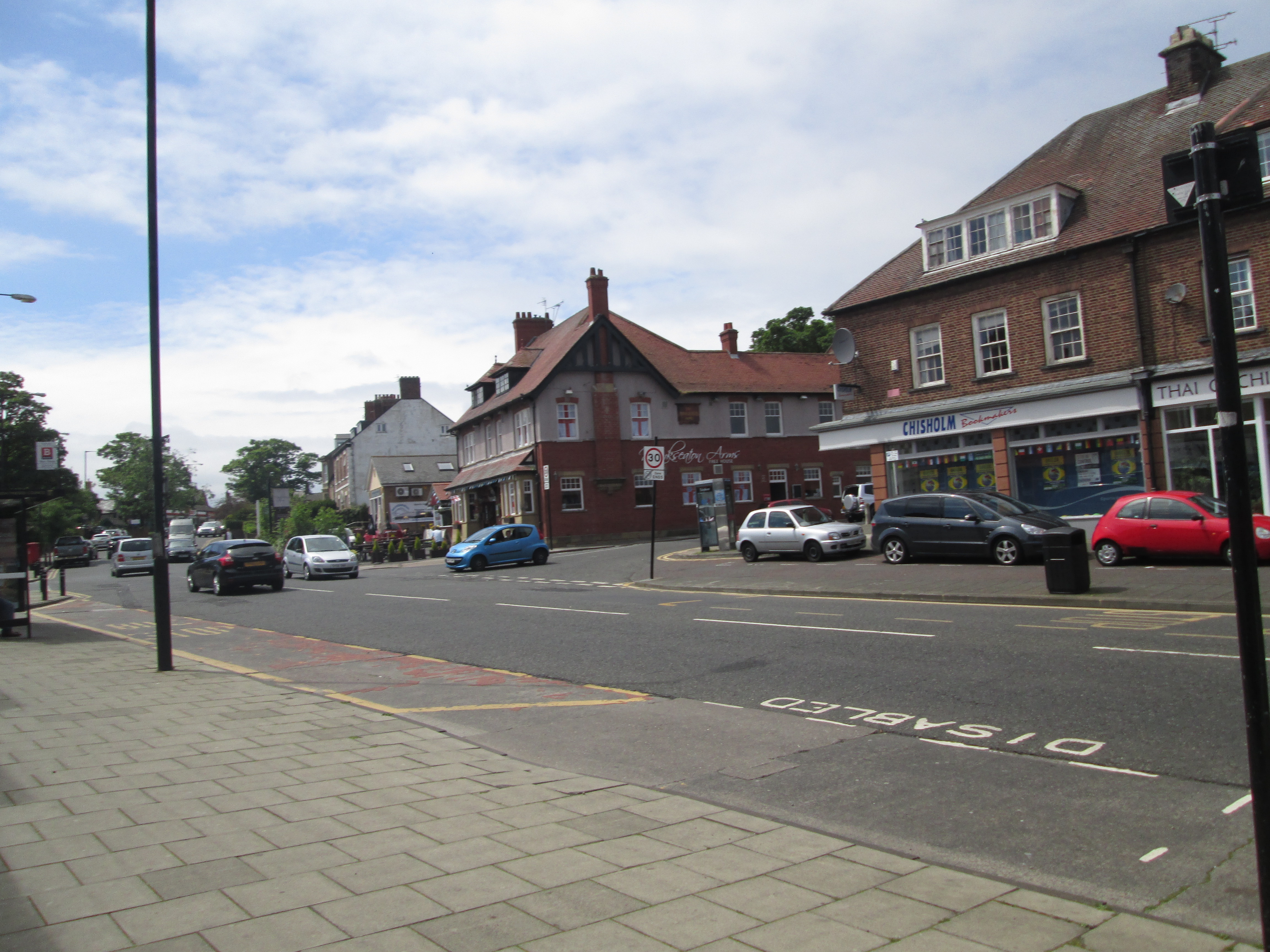
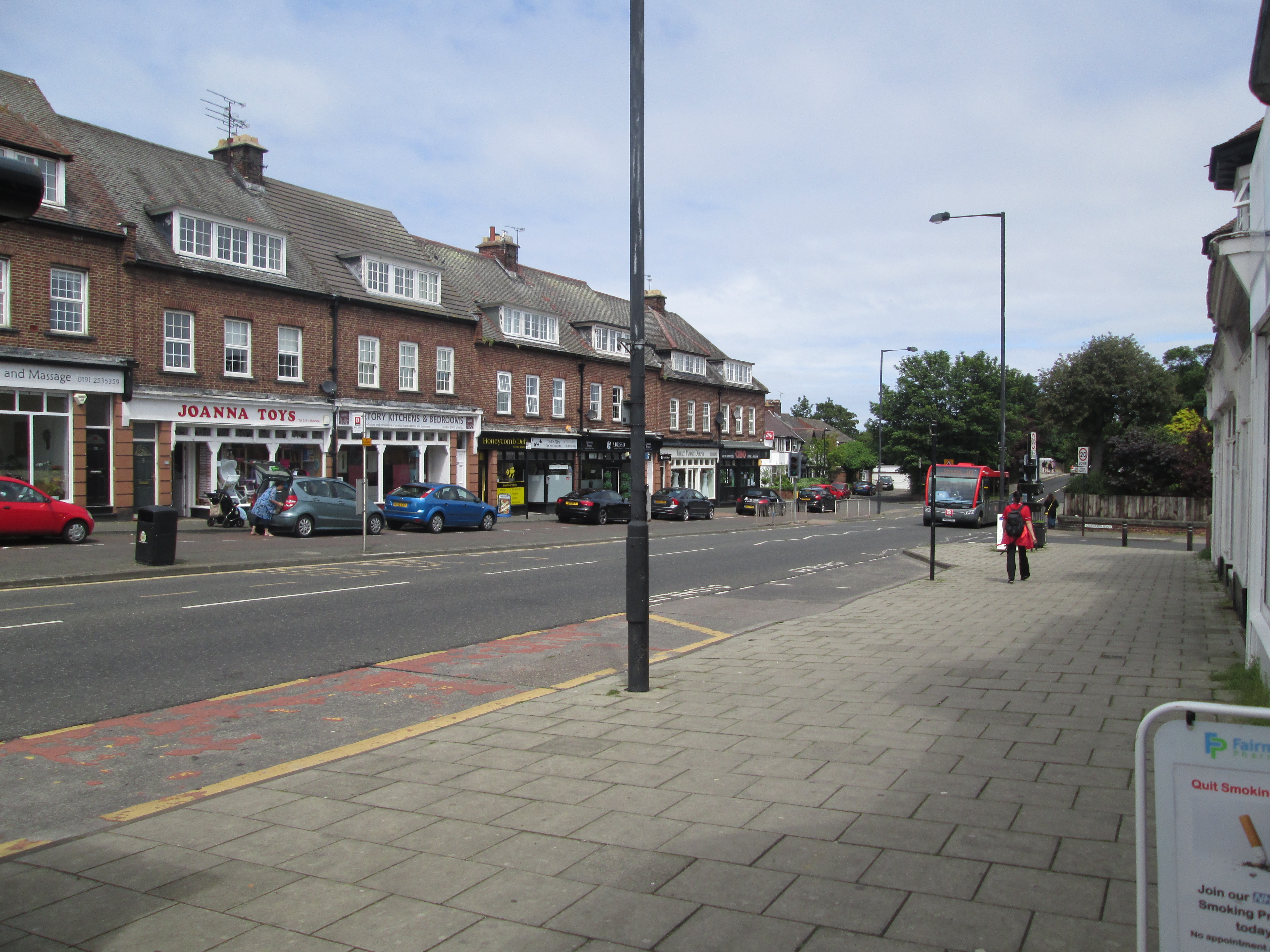
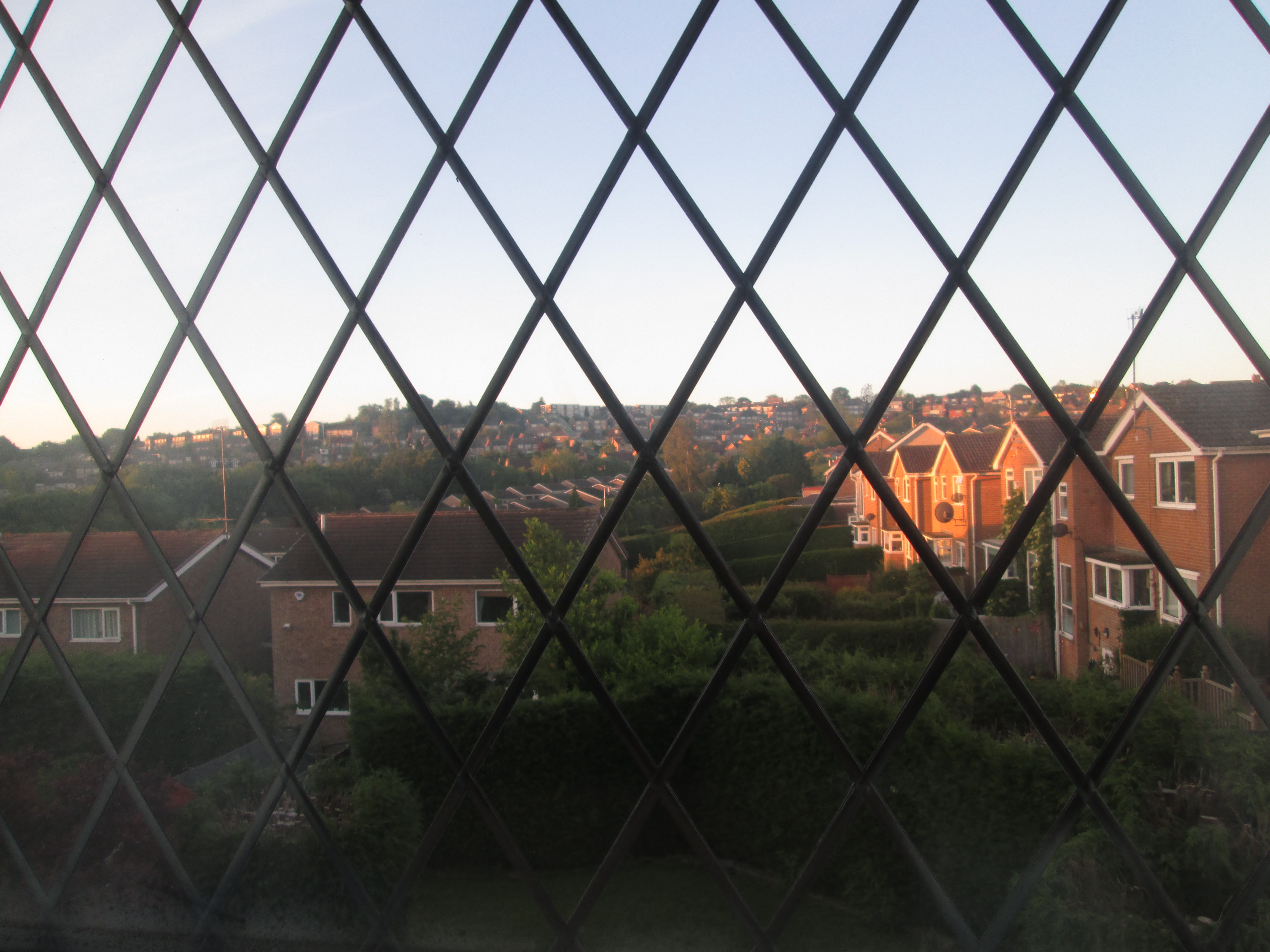
I awake late in Whitley Bay. Paul and I did our best to drink all the wine the previous night. I rub my eyes and manage to reconstruct thoughts from previous days to produce another travel post before rolling out of bed. It’s a Saturday morning, and as I gaze out at the sleepy Tyneside suburbs, I imagine children wailing at the parents to wake up and feed them their favourite cereals, of adults gazing lacklustrely into garages full of half-finished home decoration projects, and young adults jumping into their credit card cars to head out to the nearest malls to look at things that disinterest them.

After a while Paul surfaces, and over cups of strong coffee, Paul discourages me from my stated plan of visiting Sunderland.

‘It’s a shit hole.’

Day 25 001 Day 25 002 Day 25 003 Day 25 004 Day 25 005 Day 25 006

Continue reading

Day 24: Durham to Whitley Bay

‘People don’t know how hard it is for them’ – Clarissa, Durham.

Ever heard of a council farm?

No, me neither. Today I find about these publicly-owned farms, and spend time with one farmer who introduces some of the difficulties facing farmers today.

I awake at the home of Clarissa, a leading academic at a nearby university. Her home is stuffed with intriguing books and scintillating Victoriana, and it’s a pleasure to spend time in this unique place filled with rich and hearty conversation.

Over breakfast we discuss the transformation of universities, and the type of work that happens in them. It’s a subject I have thought about in some depth, and it’s an opportunity to compare my own concerns, indicated below, with the observations of another.

The values of business management have infected great swathes of public life with devastating consequences. The values of public service, or research for the sake of knowledge, are under threat by the pusillanimous influx of overpaid managers determined to screw every last drop of productivity and impact out of their underlings. Though discussion within universities has focused on a unique experience of marketization, for instance by Andrew McGettigan or Martin McQuillan, I see a shared experience with primary and secondary teaching, local government, healthcare, and the civil service.

Governments of the last seventeen years have increasingly intervened in the basic operations of these social institutions. There has been a plethora of new laws, new priorities and new restructures that have each transformed, often in contrary ways, the daily running of hospitals, or schools, or local governments. This has been undertaken by individuals who largely have no practical experience and little knowledge of how these institutions work. Today we do not speak of MPs but politicians. It reflects a cultural and social homogeneity of elected representatives: largely white men, privately-educated, with a modicum of life experience as PR spinners, lawyers or hacks, before becoming professional politicians. Empathy, truth-telling and humility are early casualties in such occupations.

Day 24 002 Day 24 003 Day 24 004 Day 24 005 Day 24 006 Day 24 007

Continue reading

Day 23: Middlesbrough to Durham

“You’re fuckin mad, you are.”
“Yeah mate, I know!” – me and Gary, Middlesbrough.

Along these journeys I’ve written about values and experiences I’ve come across as they’ve been reported to me. But it’s not hard to trace a line between what people believe about themselves or their social world (or what they want a stranger to believe), and what they go about doing themselves. For instance, presenting values like equality, toleration and upholding the law will rarely provoke disagreement. It all depends on what subtler positions they are pushed towards. Does it mean reinforcing the current establishment, or completely transforming it?

Allow me to pose a hypothesis: most people I encounter seem broadly unhappy with the current status quo but unwilling to change it; but were something to change that benefitted them, they would quietly if grumblingly adapt to it. From the removal of a hereditary monarchy to an increase on taxing large properties, businesses and income-earners, the arrival of new funds to build housing and schools would over time overcome any earlier resistance, with a similar effect to the introduction of compulsory schooling or free healthcare.

Day 23 002 Day 23 003 Day 23 004 Day 23 005 Day 23 006 Day 23 007

Continue reading

Day 22: Filey to Middlesbrough

‘It’s the young ones I feel sorry for. There’s nothing for them.’- Jan, Middlesbrough.

The north east has been awash with treats and rare treasures. Pocked inside this rolling terrain are towns and vistas that’ll charm and disarm, that inspire one to pause and take a moment to breathe it in and absorb. I’ve come across people gifted with a cheery frankness and friendly conversation and dwellings and villages layered in stripes of historical struggle and counter-struggle. It’s been one of the best secret discoveries of the trip so far. The bad reputation some of these towns live with seems like a convenient subterfuge to avoid annoying Londoners buying second homes and poking about with nosy questions.

There’s no denying the hidden stories of low pay, unemployment and poverty though. These issues affect all ages, it’s true, but the impact is certainly bearing down on younger people, as I’ve already encountered on this trip. As I’ve been travelling mostly during the day, and through seaside towns, I’ve mostly met retired people during these last few days. Our conversations about community and society have been illuminating. But I worry that pensioners can’t necessarily understand just how difficult and dispiriting things are for the young, particularly given the large number of benefits and free services they receive. There’s a great difference between being on jobseekers’ allowance aged 17 and the state pension aged 67.

Day 22 001 Day 22 002 Day 22 003 Day 22 005 Day 22 006 Day 22 007

Continue reading

Day 21: Barton-upon-Humber to Filey

‘I don’t see the point. When it’s an emergency you can’t go talking to a bloody computer!’ – Two women, on proposed changes to local policing, Hull.

It’s a blessed sunny day, so I brave wearing shorts and apply sun cream for the first time on this trip, and discreetly pack away my tent. The previous night I had struggled a little to find a good spot, tramping about in flooded fields and pondering whether to sleep behind a construction site. The loud movements of trucks and tractors in the distance remind me of why this would have been a bad idea.

I’m getting pretty grubby from all this cycling in the country, and my knees and behind are starting to protest about mistreatment. The prospect of having a warm and sheltered place to sleep this evening keeps me focused however, and I slowly trudge out from my rude surroundings.

Day 21 001 Day 21 002 Day 21 003 Day 21 004 Day 21 005 Day 21 006

Continue reading

Day 20: Humberhead Peatlands to Barton-upon-Humber

‘I dunno, it’s all different’ – Tom, talking about British identity, Grimsby.

These journeys are starting to take me out of my comfort zone, and out of all sense of location or place on this island. I’m starting to pass my days and nights in places I’d never heard of until a couple of days before. I left home with a set of names of towns I wanted to see. The night before each ride, I normally check a route on my phone. This utterly random process is delivering some delicious findings and throwing me against peoples, cultures and accents I would never otherwise have come across.

I’ve become totally dependent on the conversation and goodwill of random strangers. And I haven’t once been let down.

Day 20 001 Day 20 002 Day 20 003 Day 20 004 Day 20 005 Day 20 006

Continue reading

Day 19: Leeds to Humberhead Peatlands

‘It’s like’t maze round ‘ere.’ – man in pub, York.

I wonder how the stories and scenery I’ve so far come across would be seen through another’s eyes.

Would the consistently similar and familiar appearances of town centres deaden or enliven their senses? The cheery pessimism people express about each place (‘ooh, it’s bad round here’) which quickly leads to a hearty defence of the town in question – would it confuse them, or would it indicate a common experience of some odd kind? Would they largely distrust the stories and anecdotes I often rely on?

New sights and sounds are continually expanding my mental horizons, but each is computed by the same thing at the centre – me, with all my preoccupations, prejudices and preferences. If you were to travel the route I have taken, you’d come across so many different things. My experiences are not the authoritative account.

Day 19 001 Day 19 003 Day 19 004 Day 19 005 Day 19 006 Day 19 007

Continue reading

Day 18: Wakefield to Leeds

‘It’s a shit town, but it’s our town’ – Lloyd, joking, Wakefield.

I wake up in Wakefield, and the weather’s bad. Grey and rainy, my original plans to see Halifax, Bradford, and Leeds fill me with mild dread.

The map is driving me mad. There is simply so much to see, so much to comment on, so many people to talk to, and talk about, that my brain is unravelling and my certainties disappearing. It’s liberating, certainly, but it can lend itself to an unhealthy obsessiveness about documenting everything.

It’s a condition that one earlier traveller of these isles, John Leland, suffered from. He set out in 1536 to record information from the endangered libraries of monasteries, then in a state of dissolution, and find evidence of England’s Arthurian past. On the road though, he discovered a more compelling and truly impossible calling, to map the entire landscape of the country in words. The task eventually drove him insane, as he criss-crossed the country, visiting and re-visiting locations, with his book gradually losing all form. Layer upon layer of observation was added in an attempt to record everything. As he wrote to Henry VIII,

‘In so muche that all my other occupacyons intermitted, I have so travelled in your domynions both by the see coastes and the myddle partes, sparynge neyther labour nor costs by the space of these vi. yeares past, that there is almost neyther baye, haven, creke or pere, river or confluence of ryvers, breches, washes, lakes, meres, fenny waters, mountaynes, valleys, mres, hethes, forestes, woodes, cyties, burges, castles, pryncypall manor places, monasteryes, and college, but I have seane them, and noted in so doynge a whole worlde of thynges verye memorable.’

Day 18 001 Day 18 002 Day 18 003 Day 18 004 Day 18 005 Day 18 006

Continue reading

Day 17: Sheffield to Wakefield

‘There’s nowt round ‘ere ‘cept call centres’ – Rory, Barnsley.

In my journeys across the towns of the Midlands and the north I’ve encountered a recurring problem among young people. It’s about unemployment and low pay, about a lack of affordable housing and a feeling that the future is frightening, uncertain, and out of one’s control.

This isn’t an experience shared by middle-aged and older people I meet, on the whole. There’s a more common experience there of growing up in a labour market where work was easy to come by, and apprenticeships, skills training or university studies were available if you worked hard, regardless of the income of one’s family. Today these people enjoy what would seem a culturally middle-class life. They own their own property, even if it once belonged to the council. They can afford to work part-time or are retired. They are able to regularly holiday to warmer climes, and they enjoy a standard of domestic life that would have been beyond anything their grandparents could have imagined.

Day 17 001 Day 17 002 Day 17 003 Day 17 004 Day 17 005 Day 17 006

Continue reading

Day 16: Edale to Sheffield

I felt fear, and it made me want to live” – Allie, Sheffield.

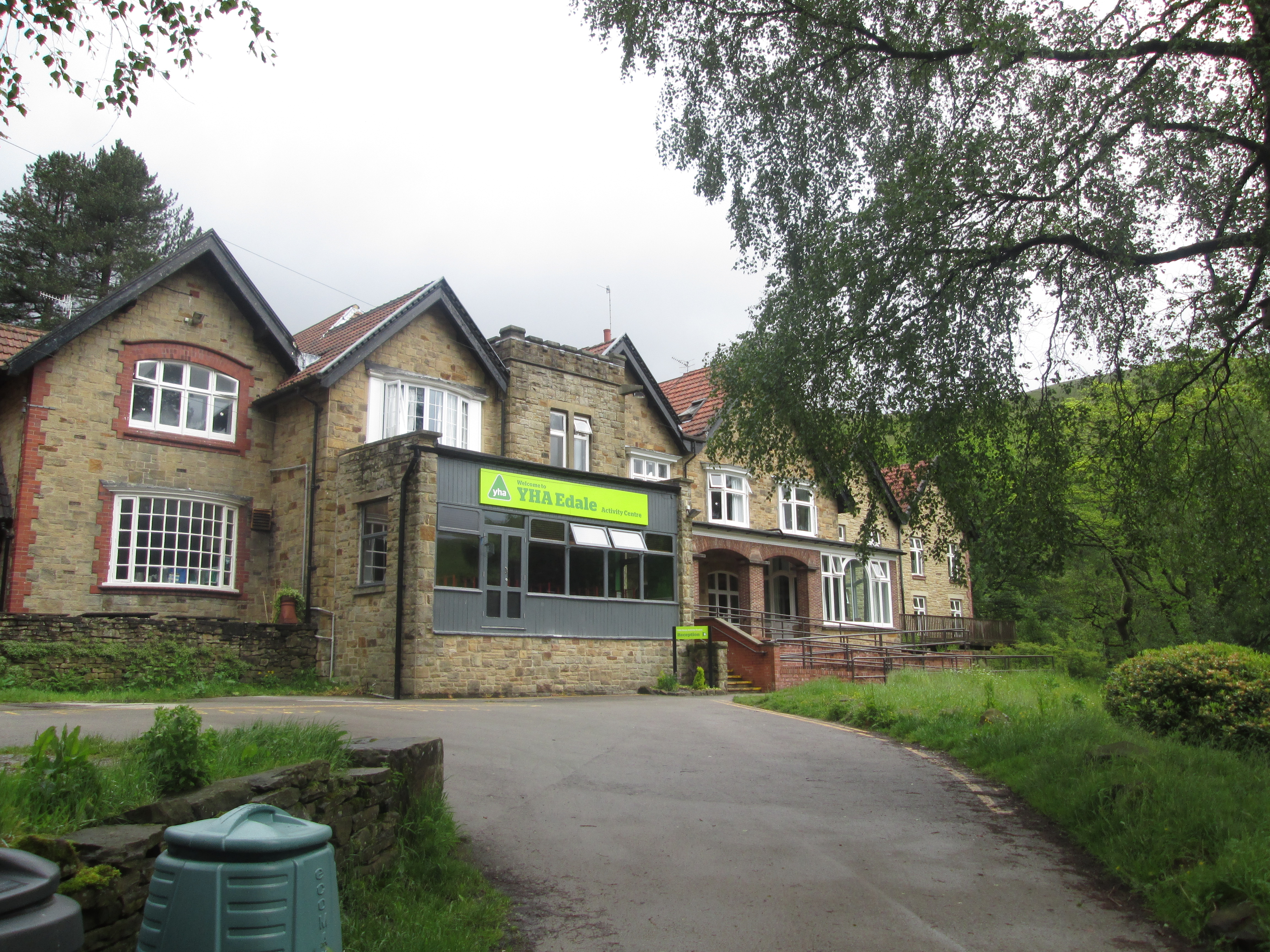
I awake at the youth hostel in Edale still elated and exhausted from the previous night. I clambered into bed early and manage to get a full eight hours sleep for the first time in quite a while. In the Hope valley there is no phone or internet coverage, and the isolation of the peaks is compounded by my inability to reach any of my loved ones. There’s a certain joy in the freedom to be had in being so far removed from the world.

I get up and start talking with one of my dorm-mates, Nat, a retired man from Florida. He’s been coming to England for the last six years on a regular basis, visiting both countryside and towns. I ask him what draws him here, and he tells me it’s the architecture and the history. In coming here he feels that he is learning more about his country’s own history. Though he’s careful to point out other European influences, he argues that it is in the language, religion and origins of the early settler populations that the secret of the riddle of America is to be found.

Day 16 001 Day 16 002 Day 16 003 Day 16 004 Day 16 005 Day 16 006

Continue reading